
Twelve colourways times three takes: n=3 versus 36 calls on Sume
For 12 colourways with 3 takes each, use 12 calls with n=3, not 36 calls with n=1. Same cost, fewer requests. Totals on FLUX.2 Pro and Seedream 4.5 inside.
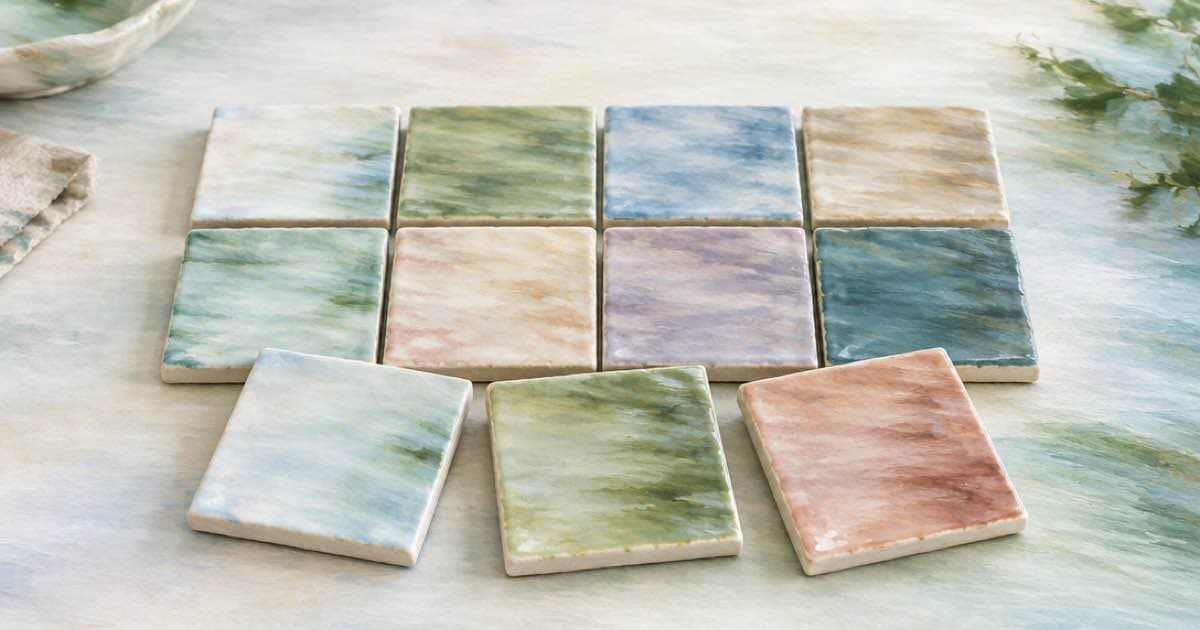
For 12 colourways with 3 takes each, send 12 requests with n: 3, one per colourway, instead of 36 requests with n: 1. The price is identical, because Sume bills cost_usd times n, but you make a third of the calls and get the three takes of one colourway together.
Each colourway still needs its own prompt, since the colour is in the words. The n field repeats one prompt; it does not vary it.
Cost of the batch
Thirty-six images at the catalog base prices cost the same however you slice them. Models and base prices were read on 2026-10-10; resolution and quality settings can raise a request above the base price.
| Model | Base price per image (USD) | 36 images (USD) | Requests with n=3 | Requests with n=1 |
|---|---|---|---|---|
| black-forest-labs/flux.2-pro | 0.0375 | 1.35 | 12 | 36 |
| bytedance-seed/seedream-4.5 | 0.05 | 1.80 | 12 | 36 |
| google/nano-banana-2.1 | 0.10 | 3.60 | 12 | 36 |
The request, per colourway
Send the same product photo as input_references[0] in all twelve calls, change only the colour phrase in the prompt, and set n to 3. Every model in the table allows n of 1 to 4, so 3 is within the range. Keep the prompt otherwise identical, so the differences you see between colourways are colour.
{
  "model": "black-forest-labs/flux.2-pro",
  "prompt": "The same sneaker recoloured in sage green with cream laces, plain white studio background",
  "n": 3,
  "aspect_ratio": "1:1",
  "input_references": [
    { "type": "image_url", "image_url": { "url": "https://example.com/sneaker-base.png" } }
  ]
}
Why fewer requests helps
Twelve requests are easier to track than thirty-six. Each can return 200 with the images or 202 with a job, so there are twelve places to handle the slow path instead of thirty-six, and a smaller burst is less likely to meet 429 queue_full, which means the workspace cannot take another paid job. The Errors and rate limits page says to back off and use retry-after when it is present.
A failure also costs less to reason about. Sume does not bill a failed or cancelled generation, so if one of the twelve calls fails, you re-send only that colourway.
Review and selection
Three takes of one colourway are easier to judge side by side than three takes scattered across a batch. Put the twelve responses into a contact sheet or a simple grid in your own tooling, one row per colourway, and choose the best of each row. Because the takes share a prompt, the differences you see are the model's variation, not your wording.
If a row has no usable take, rerun that colourway alone with n: 3 and a small prompt change. The cost of that rerun at the base price is 3 x 0.0375 = 0.1125 USD on FLUX.2 Pro, which is easy to absorb in a 1.35 USD batch.
When to split anyway
Use single-image calls if the colourways need different references, as when each has a different base photo, or if you want to review each take before you pay for the next. Also use them on Grok Image, whose n range is 1 to 1 in the catalog, so it cannot do this at all.
- Name the colour with a plain phrase and add the hex value only if you also check the result.
- Review the three takes together and keep one per colourway.
- Log the prompt text next to each URL so a colourway can be re-run exactly.
Sources
Related posts
More in Use cases
- YouTube AI disclosure for AI music and voiceover: what to keep
YouTube asks creators to disclose meaningfully altered or synthetic realistic content. What to keep from Sume music and TTS jobs, and what Sume cannot decide.
- YouTube AI label: in the player or the description?
YouTube shows its altered-content label in the player for photorealistic AI and in the expanded description for animated or non-photorealistic AI.
- YouTube Shorts ads: 10-30 second vertical cuts from a longer clip
Google says action-oriented Shorts ads use 10-30 second vertical videos and add under 60-second ads. Cut a longer Sume clip to size with one trim.
- AI battle map for tabletop RPGs: square image, grid drawn in code
Generate a top-down battle map on Sume at $0.15 for a 2K square, then draw the grid in Pillow so squares are exact. Revise one room with a reference edit.
Written by Sume