
Ineligible Shorts views: the three kinds YouTube says do not count
YouTube's Shorts page names non-original, bot and advertiser-unfriendly views as ineligible. What each means and which of them you control.
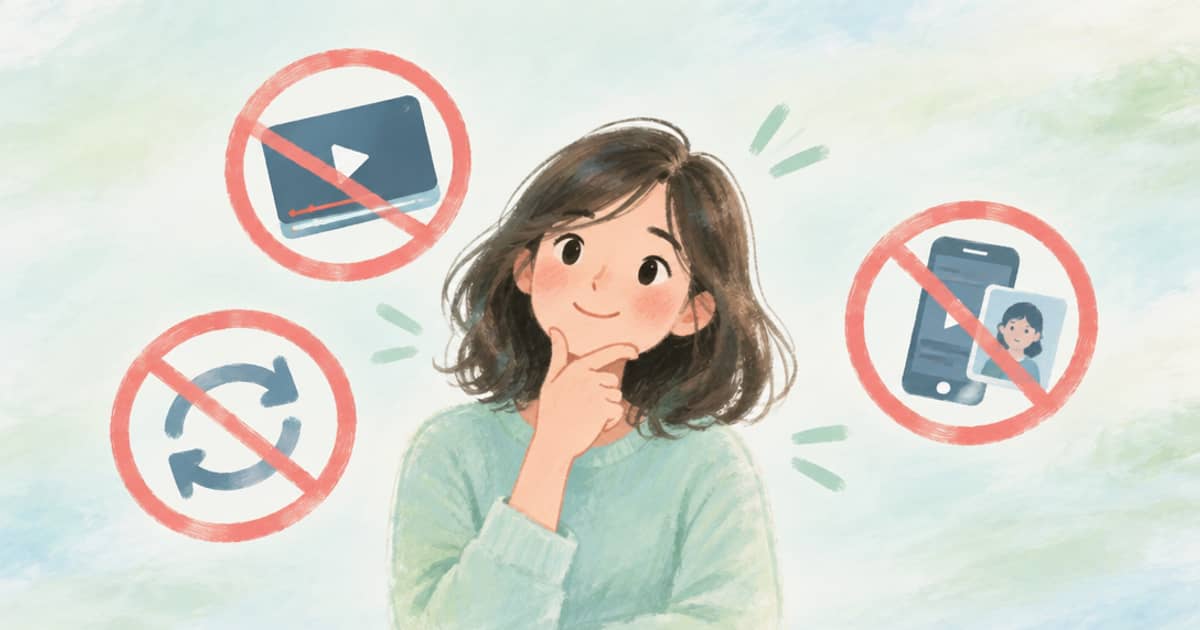
YouTube's Shorts monetization page says some views do not count toward Shorts revenue: views on non-original content, views from bots, and views on advertiser-unfriendly content (read 2026-10-03). That gives three ineligible-view categories, and only two of them are about how you make the Short. Bot views are not something an editing tool creates or prevents.
The category that the October 1 update touches is the first. Search Engine Journal reports YouTube is prioritizing original Shorts in recommendations and reducing reach for reposted clips, and that monetization stays under the existing reused-content policy (read 2026-10-03). So a Short can be affected in two separate places: how widely it is shown, and whether its views earn.
The three kinds side by side
The page lists these as the views that are excluded when revenue is calculated. It does not say how YouTube measures them, and it does not publish a share or a dashboard.
| Kind | What the page says | What you control |
|---|---|---|
| Non-original content | Re-uploads, unedited clips and compilations with no original content added | What you add to any borrowed material |
| Bot views | Views generated by bots do not count | Not buying or arranging views |
| Advertiser-unfriendly content | Content that does not meet advertiser guidelines | The topic, language and visuals you publish |
What helps on the part you control
For the non-original category, the work is the same one this series keeps returning to: add something a viewer could not get from the source. For clips from your own long videos, video trim makes the cut and video captions put your own points on screen, but neither adds originality on its own. The explanation, the argument and the new framing are yours to supply.
For the advertiser-unfriendly category, YouTube's own advertiser-friendly guidelines are the reference and I have not summarized them here. Re-read your script and your visuals against that page before posting, especially for a batch, where one flagged row can be copied across many Shorts.
For bot views, the practical advice is negative: do not buy views, do not trade views, and keep an eye on sudden spikes that look unrelated to anything you did.
What to track
There is no public number for how many of a Short's views are ineligible, so these notes are for you. Sume does not guarantee reach or revenue, and nothing here changes how YouTube classifies a view.
- Which Shorts are cut from material you own and which from other people's.
- What each Short adds, in one line, written when you make it.
- Any sudden view spike you cannot explain, with the date.
- Any Short YouTube limits or labels, with the message text.
How this connects to the music split
The same Shorts page explains how revenue is shared. Eligible views feed a pool, and when a Short uses one third-party track, half of that Short's revenue goes to the Creator Pool and half covers music licensing; partners keep 45 percent regardless of music use (read 2026-10-03). Ineligible views drop out before that split, so an ineligible view earns nothing under either half.
That is why a reposted clip with a popular song under it is a poor trade. It may get fewer recommendations, the views it does get may be ineligible, and the music split still applies to whatever remains.
On February 1, 2027 the page says the threshold changes to 10 million qualified Shorts views in 90 days. Qualified is the operative word: ineligible views are not in that count. If you are planning for that line, count your own original Shorts only.
A small habit worth keeping
After each month, tag every Short in a spreadsheet as own footage, mixed or borrowed, and add one line on what you added. When views fall, you will have a first guess ready instead of a memory.
What I could not confirm
I did not find YouTube pages that say how much of a typical Short's viewing is ineligible, how bot views are detected, or when an advertiser-unfriendly judgment is applied. I also could not retrieve the reused-content FAQ page, so the details of how YouTube treats borderline cases remain unread by me. If you need those answers, YouTube's partner support is the source, not this post.
Sources
Related posts
More in Use cases
- YouTube Shorts music: the 90-second rule and a generated bed option
YouTube says most songs cover up to 90 seconds of a 3-minute Short, some only 60 or 30. A Sume Music Router bed costs $0.125; check rights in Studio.
- Shorts originality update: AI video variants vs reuploads
YouTube is cutting reach for reposted clips with minimal edits. A clip generated from your own prompt is new footage; a recolor of an old one is not.
- Shorts Sync to beat: how it works, and a manual version in Python
Sync to beat needs at least two photos or videos and cuts them to music. The help-page steps, and a Python script that sets Sume Timeline cut times.
- YouTube Shorts templates: what makes a Short eligible
A Short may be a template if it has remixable audio, several clips and text. What YouTube's help page says, how to opt out, and how to build multi-clip Shorts.
Written by Sume